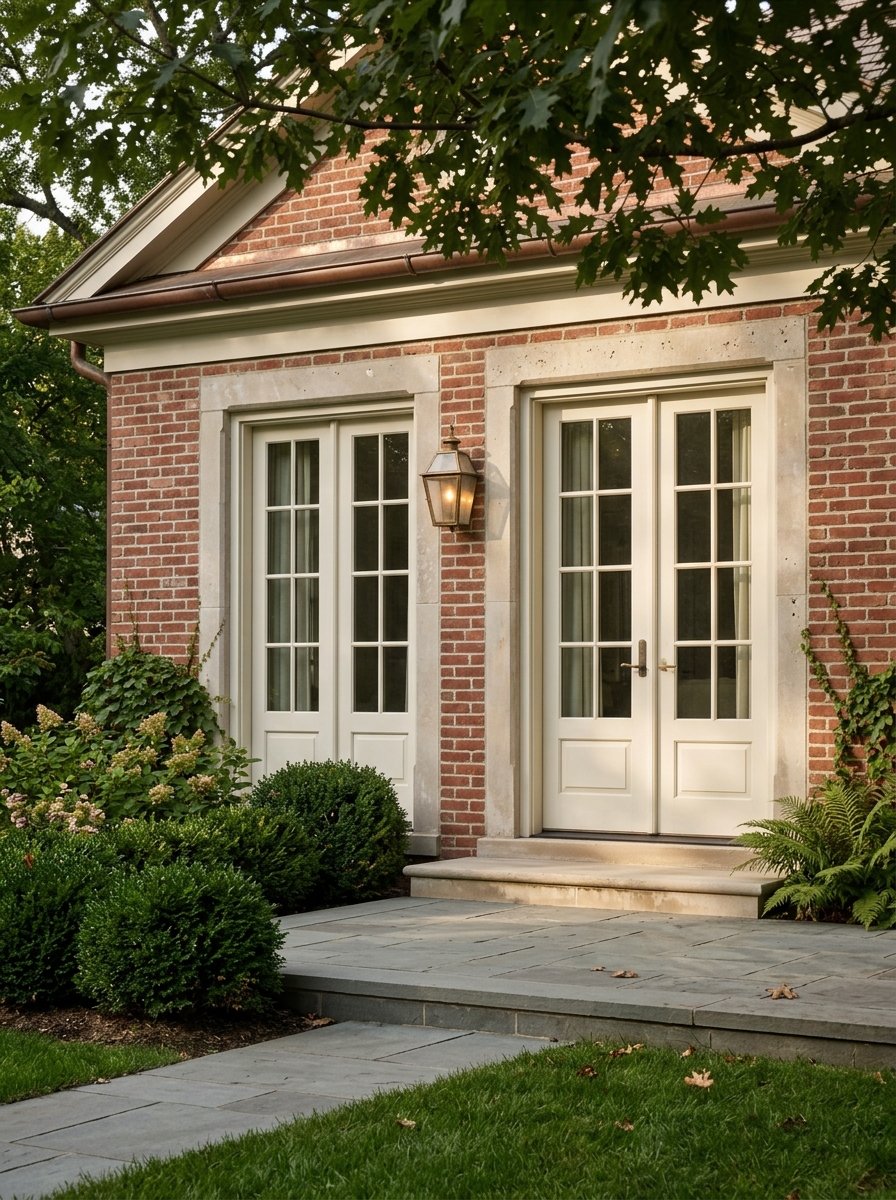
If you are searching for luxury on Chicago’s North Shore, Kenilworth stands out for a reason. This is not a place defined by endless inventory or constant new development. Instead, you will find a compact lakefront village known for large lots, historic architecture, and a level of consistency that is hard to replicate. If you want to understand what makes Kenilworth different before you buy, this guide will walk you through the housing stock, lifestyle, preservation rules, and practical details that matter most. Let’s dive in.
Why Kenilworth Feels Different
Kenilworth is a small village about 17 miles north of downtown Chicago on Lake Michigan. According to the Village of Kenilworth history page, it is the newest of the eight Chicago suburban communities along the lake and the only one developed as a planned community.
That planned origin still shapes the experience of living here. The village was designed around large lots, underground utilities, no alleys, no fences, and high construction standards. Today, the scale remains intimate, with roughly 2,500 residents, about 850 homes, and just over 100 businesses and professional offices, based on village recruitment information.
For you as a buyer, that means Kenilworth offers a very specific kind of luxury. It is less about sheer variety and more about enduring character, architectural continuity, and a polished residential setting.
What Luxury Housing Looks Like Here
Kenilworth’s housing stock is overwhelmingly single-family and owner-occupied. A CMAP community snapshot reports that 96.1% of homes are detached single-family properties and 96.1% are owner-occupied.
The homes also tend to be spacious. The same CMAP report notes a median of 10 rooms per home, and 50.7% of homes have five or more bedrooms. For buyers who want room to spread out, that helps explain why Kenilworth remains a strong fit for long-term ownership.
Another defining feature is age and architectural depth. The median year built is 1938, and 56.6% of homes were built before 1940, according to CMAP. In practical terms, much of the village inventory reflects established craftsmanship, mature landscaping, and homes with a strong sense of identity.
Expect Large Lots and Limited Turnover
Lot size is part of Kenilworth’s appeal, and it is also protected by zoning. In the R-1 district, village code requires interior lots to have at least 15,750 square feet and 90 feet of width. Corner lots must have at least 17,500 square feet and 100 feet of width.
That framework helps preserve the village’s open, spacious feel. It also limits how much density can change over time. Village planning materials describe residential areas as fully developed, with most change happening through major remodels and demolition-rebuild activity rather than large new subdivisions.
For buyers, this matters in two ways:
- You should expect limited inventory compared with larger North Shore markets.
- You should view opportunities here as relatively scarce, especially if you want a certain block, lot orientation, or architectural style.
Kenilworth Architecture Matters
In Kenilworth, architecture is not just a backdrop. It is a central part of the buying decision. The Kenilworth Historical Society highlights the village’s evolution from the 1880s through the 1960s, with examples of Queen Anne, Colonial Revival, Prairie School, Craftsman, Dutch Colonial Revival, and Classical Revival homes.
The same source notes that nearly 300 centennial homes still stand. That is a meaningful number for a village this size, and it reinforces how much original character remains intact.
George W. Maher also has an outsized influence on Kenilworth’s design identity. The village says he designed about 37 homes here and also contributed civic features such as the fountain, stone benches, planter urns, bridges, and pylons that continue to shape the public realm.
If you are drawn to homes with architectural pedigree, Kenilworth offers a level of historic continuity that many buyers find especially compelling.
Preservation Rules Can Affect Your Plans
Luxury buyers often think beyond the immediate move-in decision. You may be considering a major renovation, an addition, or even a teardown and rebuild. In Kenilworth, that requires extra diligence.
The village’s Building Review Commission can review demolitions tied to historical or architectural significance and may delay a demolition permit for up to one year while alternatives are studied. Compared with suburbs where lot clearing is more straightforward, Kenilworth takes a more preservation-oriented approach.
That does not mean change is impossible. It does mean you should evaluate a property with both your lifestyle goals and the village review environment in mind.
Before you buy, it is smart to consider:
- Whether you want a move-in-ready home or a project
- How much original architectural detail you hope to preserve
- Whether your renovation plans could trigger additional review
- How timeline expectations might shift if a property has historic significance
Daily Life in Kenilworth
Kenilworth’s appeal is not only about homes. It is also about the village setting and how easy it is to move through daily life.
The new resident guide notes that residents have access to Metra and Pace, and commuter parking is available at the Kenilworth Train Station with permits required. For buyers balancing North Shore living with downtown or regional access, that rail connection remains important.
The same guide also explains that residents can obtain library cards from either Wilmette Public Library or Winnetka-Northfield Public Library at no additional cost, since Kenilworth does not have its own physical library branch. Small details like this help paint a more accurate picture of how village services work.
For outdoor amenities, the Kenilworth Park District highlights spaces such as Mahoney Park and the Charles Ware Memorial Garden. These spaces support the village’s landscape-focused identity and reinforce the calm, established feel that many buyers are looking for.
Kenilworth also offers beach access for residents. As of March 29, 2026, the village says Kenilworth Beach is closed for construction and is scheduled to reopen for the 2026 beach season, with shoreline stabilization, improved access, and new support facilities included in the project.
Schools and What Buyers Should Know
For many buyers, school information is part of the decision-making process. In Kenilworth, The Joseph Sears School reports that its 2024 Illinois Report Card earned a Commendable designation, the second-highest ISBE marker, with a score of 78.82, according to the district’s published results.
At the high school level, New Trier Township High School District 203 states that Kenilworth is within its attendance area. The district reports serving about 4,000 students, and for the Class of 2025 it reported a mean ACT composite score of 27.9 and about 97% college enrollment, based on the same school source provided in the research.
If schools are part of your move, it is best to confirm current attendance details directly with the appropriate district during your home search.
How Kenilworth Compares on the North Shore
Kenilworth sits between Wilmette and Winnetka on Lake Michigan. According to the village, it remains a compact, mostly built-out community with a small business district and a strongly residential character.
That makes its luxury profile fairly distinct. If you are looking for a larger commercial core, more frequent new-construction options, or a wider range of housing formats, nearby communities may offer more variety. If you are looking for a highly consistent residential setting with large lots, historic homes, a lakefront location, and limited land turnover, Kenilworth deserves a close look.
In other words, Kenilworth tends to appeal to buyers who value scarcity, character, and long-term hold potential more than novelty.
What to Look For as a Luxury Buyer
Because inventory is limited and housing stock is older, your buying strategy should be focused and detailed. In Kenilworth, the right home is often about fit rather than compromise.
As you evaluate properties, pay close attention to:
- Lot dimensions and siting
- Architectural style and historical details
- Condition of major systems in older homes
- Potential renovation constraints
- Proximity to the lake, train, parks, and village amenities
- Long-term suitability for how you plan to live
A thoughtful search can make a major difference here. In a preservation-minded, low-turnover market, knowing how to weigh character, condition, and future flexibility is just as important as price.
Why Guidance Matters in Kenilworth
Kenilworth is a market where surface-level comparisons only tell part of the story. Two homes with similar square footage can offer very different value depending on lot quality, architectural significance, renovation history, and how a property fits within the village’s rules and patterns.
That is why local guidance matters, especially if you are relocating, upsizing, or buying at the higher end of the North Shore market. You want clear advice, careful property evaluation, and a buying process that respects both the emotional and financial weight of the decision.
If you are considering a move to Kenilworth, Stacy Burgoon offers the kind of high-touch, detail-oriented guidance that luxury buyers often need, with a relationship-first approach shaped by deep North Shore market knowledge.
FAQs
What makes Kenilworth different from other North Shore luxury markets?
- Kenilworth stands out for its planned-community origins, large lots, historic housing stock, lakefront setting, and limited inventory in a compact, mostly built-out village.
What types of homes are common in Kenilworth?
- According to CMAP, the housing stock is overwhelmingly detached, owner-occupied single-family homes, with a median of 10 rooms and many homes offering five or more bedrooms.
What should buyers know about renovating a home in Kenilworth?
- Buyers should know that Kenilworth has a preservation-oriented review environment, and the Building Review Commission may review certain demolitions and delay a demolition permit for up to one year.
What transportation options are available for Kenilworth residents?
- The village says residents can use Metra and Pace, and commuter parking is available at the Kenilworth Train Station with the required permit.
What should buyers know about Kenilworth Beach right now?
- As of March 29, 2026, the village says Kenilworth Beach is closed for construction and is scheduled to reopen for the 2026 beach season with shoreline and access improvements.
What school districts serve Kenilworth homebuyers?
- Kenilworth is served by The Joseph Sears School for elementary grades, and New Trier Township High School District 203 includes Kenilworth in its attendance area.