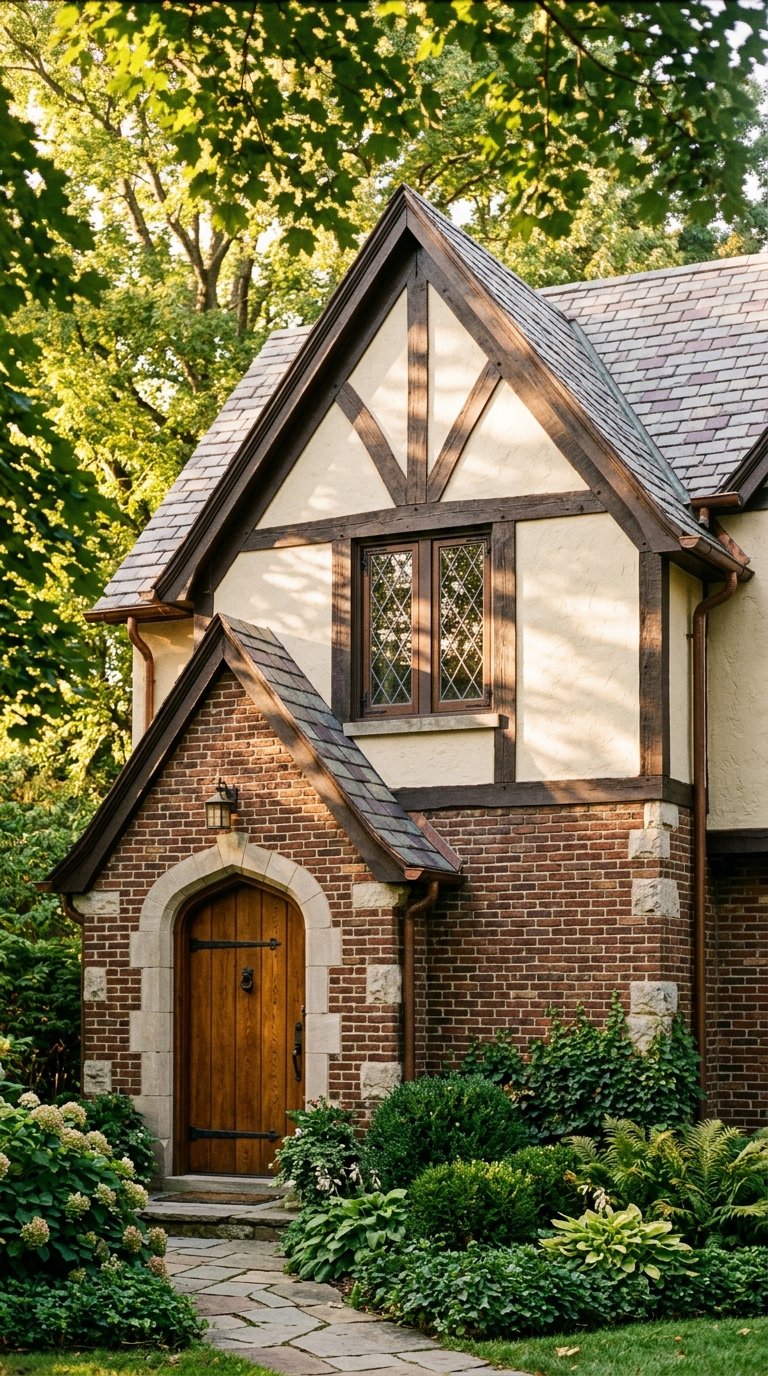
Ever notice how some Wilmette homes feel storybook charming while others read as crisp, balanced, or unmistakably mid-century? If you are buying, selling, or simply trying to understand what gives a house its character, knowing the local architectural language can help you see value more clearly. In Wilmette, style is not just curb appeal. It is part of the village’s identity, and understanding it can help you evaluate layout, maintenance, renovation potential, and long-term fit. Let’s dive in.
Why architecture matters in Wilmette
Wilmette has a strong architectural identity shaped by its historic homes, tree-lined streets, brick-paved roads in some areas, period street lights, and lakefront setting. The village lists 38 local landmarks, 3 National Register Historic Districts, and 9 individually listed National Register properties, which shows how visible architecture is in the community.
For you as a buyer or seller, that matters in practical ways. A home’s style often influences how it lives day to day, what it may need over time, and how changes are viewed by the village if the property has local landmark status. It also helps explain why some homes feel easy to update while others call for a more careful approach.
Tudor Revival in Wilmette
Tudor Revival is one of the easiest styles to spot in Wilmette once you know what to look for. You will often see steep rooflines, cross-gables, half-timbering, stucco or masonry veneer, and narrow casement windows. In local historic areas, Tudor homes help create that classic period-home streetscape many buyers are drawn to.
Inside, Tudor homes can feel more intimate than later postwar houses. That is often because of the style’s asymmetrical shape and more compact window patterns. If you like defined rooms and rich architectural texture, this style may appeal to you.
From a maintenance standpoint, the big-ticket items tend to be the complex roofline, chimneys, masonry or stucco surfaces, and original windows. When you tour a Tudor, pay close attention to how those elements have been cared for, because they carry much of the home’s architectural character.
Colonial Revival features to know
Colonial Revival became highly popular in Wilmette after Tudor Revival and remains a key part of the village’s period-home landscape. These homes are usually more symmetrical than Tudors and often include a centered entry, hipped or intersecting gabled roofs, columns or pilasters, and fanlight or Palladian window details.
If Tudor feels textured and irregular, Colonial usually feels orderly and balanced. Inside, many Colonial Revival homes use a center-hall or similarly structured layout, which can create more formal front-to-back circulation than you may find in a ranch or Prairie-style home.
If you are thinking about renovation, this style tends to respond best when major visual changes stay toward the rear or within the existing footprint. That helps preserve the front facade, porch proportions, and regular window rhythm that define the look.
Prairie, Craftsman, and Bungalow homes
Wilmette has especially strong Prairie and Craftsman character in certain pockets. Village materials describe the Oak Circle district as a concentration of 1- and 1½-story bungalows or Craftsman houses with Prairie details, and Ouilmette North also includes Prairie School architecture within its residential mix.
These homes usually read low and horizontal. Common clues include low-pitched roofs, wide eaves, exposed rafters or knee braces, deep porches, grouped windows, and natural materials. They often feel warm and grounded from the street, with a strong connection between indoors and outdoors.
Inside, you may see more open planning, built-ins, stained glass, and a living-room-centered layout. For many buyers, that creates a nice middle ground between older-home charm and more connected living spaces.
Maintenance matters here too. Porches, trim, built-ins, and original window groupings are important character-defining features. If changes are needed, the best results usually come from working from less significant spaces first and keeping any new work visually compatible with the original house.
Mid-century ranch and bi-level homes
If you head west of Ridge Road, you are more likely to see Wilmette’s postwar housing story. The village’s 2024 Comprehensive Plan notes that this area was largely transformed after World War II and is still characterized by ranch-style and bi-level homes.
Ranch houses are known for their long, low profile, asymmetrical shape, open floor plans, large living areas, eat-in kitchens, and generous glass. In simple terms, they often feel more informal and easier to navigate than many earlier historic homes.
For buyers who want straightforward daily living and simpler circulation, ranch homes can be especially appealing. Renovation is often more direct as well, though additions tend to work best when they preserve the home’s horizontal look and do not overwhelm the original roofline or window walls.
Newer construction and infill homes
In Wilmette, newer construction is part of the architectural conversation too. The village’s Historic Preservation Awards include recognition for new construction that fits its surroundings, and the village also maintains a current log of single-family demolition permits.
That means newer homes here are often discussed less by one fixed style label and more by compatibility. Scale, roof shape, materials, and how the house sits on the lot all affect whether new construction feels in step with the surrounding streetscape.
If you are comparing newer homes, look beyond square footage alone. Pay attention to whether the exterior details, massing, and placement feel comfortable within the block, especially in established areas with strong architectural patterns.
Spanish Revival as a local standout
Spanish Revival is less common in Wilmette, but it is a real part of the village’s local architectural history. Village history materials note that the style gained popularity in the 1910s and appeared in several Wilmette projects in the 1920s.
You can usually spot Spanish Revival by its low-pitched roofs, red barrel tiles, stucco walls, arches, curves, exposed beams, and wrought-iron details. In a village where Tudor, Colonial, Prairie, and ranch forms are more common, these homes can stand out quickly.
Because the style relies heavily on distinctive materials and texture, repairs to stucco, roofing, and decorative elements should be approached carefully. Those surfaces are central to the home’s visual identity.
How to tell styles apart quickly
If you are walking through Wilmette and trying to identify homes on the fly, a few simple cues can help. You do not need to memorize every architectural term. You just need to train your eye to notice rooflines, symmetry, materials, and windows.
| Style | What to look for |
|---|---|
| Tudor Revival | Steep roofs, asymmetry, half-timbering, stucco or masonry, narrow windows |
| Colonial Revival | Symmetry, centered entry, columns or pilasters, classical details |
| Prairie/Craftsman/Bungalow | Low rooflines, wide eaves, porches, grouped windows, natural materials |
| Ranch/Bi-level | Long low shape, broad facade, simpler lines, postwar layout |
| Spanish Revival | Stucco, arches, red tile roof, wrought iron, curved forms |
A quick shortcut is this: Tudor usually feels steep, textured, and irregular, while Colonial usually feels symmetrical and classical. Prairie and Craftsman homes emphasize horizontal lines and porch-centered warmth, while ranch homes typically read as simpler and more open.
What style means for renovation
In Wilmette, renovation is not just about personal taste. It is also about understanding which features give a home its identity. The village’s Historic Preservation Commission handbook says rehabilitation should allow contemporary use while preserving features that are significant to the property’s historic, architectural, and cultural value.
For many homes, the most important elements to inspect are the roofline, windows, porch, masonry, and any later additions. Those are often the features that most clearly express the home’s style and also the areas where poor updates become most visible.
A few practical guidelines can help:
- Repair historic features rather than replace them when possible
- Treat original wood windows carefully and match them closely if replacement is unavoidable
- Use compatible repairs for masonry and stucco
- Keep additions secondary in scale so the original front and roofline still read clearly
- Maintain wood porches instead of simplifying or enclosing them without careful planning
If you are buying a period home, these details can affect both short-term costs and long-term satisfaction. If you are selling, understanding them can help you position your home more effectively and make smarter pre-listing decisions.
Historic status and what it means
One of the most common questions buyers ask is whether historic status freezes a house in time. In Wilmette, the answer is no, but the type of designation matters.
National Register listing is honorific. Local landmark designation is different because exterior alterations and additions may be reviewed under village preservation standards. That distinction is important if you are considering future changes to a property.
This does not mean a home cannot evolve. In fact, Wilmette’s preservation awards explicitly recognize sensitive additions and new construction that fit neighborhood character. The goal is not to stop change. It is to guide change in a way that respects what makes the house and streetscape distinctive.
How buyers can use this knowledge
When you understand Wilmette’s architectural mix, you can shop with more confidence. Instead of reacting only to finishes or staging, you can look at the bones of the house and ask better questions about layout, upkeep, and improvement potential.
That is especially useful in a village where housing stock spans multiple eras. A Tudor may offer rich character but ask for more specialized exterior upkeep. A Colonial may appeal if you value symmetry and formal structure. A Prairie or Craftsman home may offer warmth and design detail, while a ranch may fit your lifestyle if you want simpler, more open daily living.
The right match is not about which style is best in general. It is about which style fits how you want to live, what level of maintenance you are comfortable with, and how you see the home evolving over time.
If you are considering a move in Wilmette and want help weighing architecture, condition, and long-term value together, Stacy Burgoon offers a private, high-touch approach designed to help you make confident decisions with less stress.
FAQs
What architectural styles are most common in Wilmette?
- In Wilmette, you are likely to see Tudor Revival, Colonial Revival, Prairie School, Craftsman, bungalow, mid-century ranch, bi-level homes, and some newer infill construction. Spanish Revival is less common but does appear in specific local examples.
Where can you find concentrated architectural styles in Wilmette?
- Village materials identify Oak Circle as a strong Craftsman and Prairie pocket, Ouilmette North as an area with styles ranging from Queen Anne to Prairie School, and the area west of Ridge Road as the clearest concentration of postwar ranch and bi-level homes.
How can you tell a Tudor from a Colonial in Wilmette?
- Tudor homes are usually steeper, more textured, and more asymmetrical, while Colonial homes are typically more symmetrical and use more classical details like columns, pilasters, and centered entries.
Which Wilmette home styles are easiest to renovate?
- Ranch homes and many newer homes generally adapt more easily to modern living, while historic styles can still be updated successfully when their defining exterior features are respected.
Does historic designation change what you can do to a Wilmette house?
- National Register listing is honorific, but local landmark designation can trigger village review for exterior alterations and additions.
What should buyers inspect first on a style-driven Wilmette home?
- Focus first on the roofline, windows, porch, masonry or stucco, and any later additions, because those features often define the style and can have the biggest impact on maintenance and future improvements.