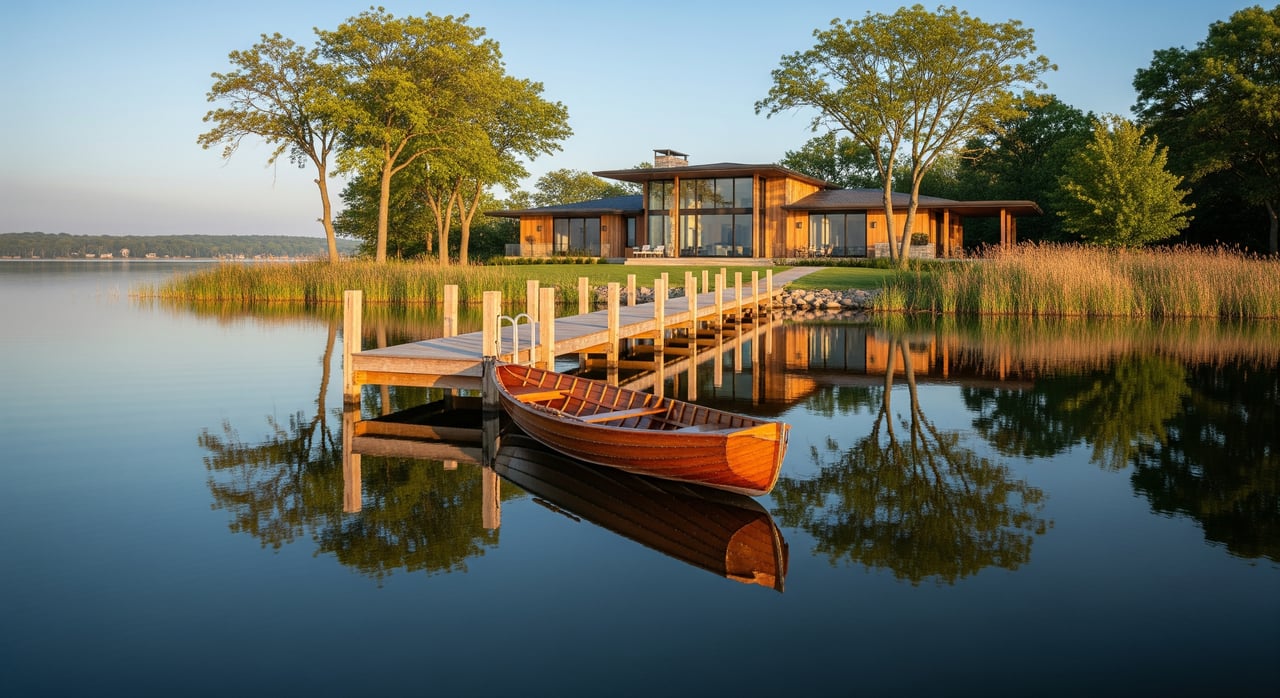
Thinking about a home on Silver Lake but unsure how changing water levels and no‑wake rules could affect your lifestyle? You are not alone. Lake conditions shift through the year, and posted restrictions can influence boating, paddle sports, and even how you design your dock. This guide gives you a clear picture of what to expect, who sets the rules, and how to plan so you enjoy the lake with confidence. Let’s dive in.
Who sets the rules on Silver Lake
Silver Lake sits in the Kenosha area, where several authorities share responsibility. Understanding who does what helps you find reliable updates fast.
- Kenosha County Sheriff’s Office: Enforces boating laws and typically announces temporary or emergency no‑wake orders.
- Kenosha County government: Planning, zoning, and land and water conservation for shoreland permitting and local rules.
- Wisconsin Department of Natural Resources: Statewide boating laws, dock and pier permits, and aquatic plant management programs.
- Local municipality (Village of Silver Lake or adjacent jurisdiction): Adopts local ordinances and seasonal notices.
- Local lake association or sanitary district: Shares monitoring updates, historic information, and community notices if active.
To stay current, check county sheriff announcements, county and municipal websites, and any local lake association email lists.
Lake levels by season
Midwestern lakes like Silver Lake follow a fairly consistent seasonal pattern, with year‑to‑year swings depending on weather and water inflows.
- Spring: Levels are often highest due to snowmelt and spring rains. Short, sharp rises can lead to temporary no‑wake postings to reduce shoreline erosion.
- Early to mid summer: Levels usually moderate as inflows stabilize and recreational use increases.
- Late summer to early fall: Levels often drop because of evaporation and reduced runoff, exposing shallow areas and sometimes affecting ramp access.
- Winter: Ice cover limits surface water loss. Boat restrictions matter less, but ice conditions can affect winter recreation.
What this means for you:
- Expect variability. One season’s waterline will not guarantee the next.
- High water can inundate low docks and damage lawns. Low water can limit launch access and expose vegetation or muck.
- Ask for multi‑year shoreline photos and recent dock and lift maintenance records when you evaluate a property.
What no‑wake means and why it matters
No‑wake zones require vessels to move at an idle speed that does not create a wave capable of damaging shorelines, docks, moored boats, or endangering people in the water. Exact legal definitions can vary by jurisdiction, but the purpose is consistent: protect safety and reduce damage.
Common types of no‑wake postings:
- Permanent zones: Established by ordinance in hazard areas, near beaches, marinas, narrow channels, or sensitive habitats.
- Seasonal periods: Adopted during high‑use or sensitive times, such as spring high water or peak swimming season.
- Temporary or emergency orders: Issued during high water, after major storms, or when debris creates immediate hazards.
Typical triggers for temporary no‑wake:
- Rapid water rises from heavy rain or snowmelt.
- Active shoreline erosion.
- Floating debris or downed trees that create navigation hazards.
- Public safety operations.
Enforcement is usually by the county sheriff or state conservation officers. Penalties vary, and boaters are expected to comply with posted signs and officer directives.
How rules affect your time on the water
Boating and personal watercraft
During high water with a posted no‑wake, you can still boat, but only at idle speed. That means slower trips, limited opportunities for water‑skiing or wakeboarding, and potential ramp restrictions. In low water, some launches may be unusable and propellers may strike submerged hazards. Consider floating docks or adjustable lifts to maintain access through seasonal shifts.
Paddle sports: kayaks, canoes, SUP
Paddlers often benefit from no‑wake periods because calmer water is safer and more enjoyable. During very high water, take extra care near outlets or flooded vegetation, where currents and obstructions can complicate navigation. Late summer low water can expose shallow spots and dense vegetation that may require occasional portage.
Fishing from boat or shore
No‑wake orders rarely restrict fishing, but slower speeds reduce your range. High water can push fish into newly flooded cover near shore, while low water concentrates fish in deeper areas. Adjust your approach based on conditions.
Shoreline and property impacts
- High water: Greater risk of inundation, possible basement water issues, and landscape damage. Floating docks or adjustable systems help reduce stress on structures.
- Low water: Exposed mudflats, odor, and more visible aquatic vegetation can change the look and feel of your shoreline. You may need to adjust mooring or dock placement within permit limits.
Permits, shoreline stabilization, and planning
Work in or near the water typically requires permits. Plan ahead so improvements are compliant and durable.
- Permits and approvals: Permanent docks, riprap, seawalls, and wetland work usually require state approval and county or municipal permits. Even temporary repairs may require notification.
- Insurance: Review your homeowner’s policy for flood or shoreline damage coverage. You may need a rider or separate flood policy depending on mapped risk.
- Smart design choices: Floating docks, telescoping posts, adjustable deck heights, and adequate setbacks help your property adapt to high and low extremes. Vegetative buffers and bioengineering can reduce erosion where permitted.
How to stay updated on conditions
Lake conditions change, so set up a simple system to check status before plans and purchases.
- Kenosha County Sheriff’s Office: Look for marine unit notices or county emergency alerts for temporary no‑wake orders.
- Kenosha County departments: Planning, zoning, and land and water conservation for shoreland rules and permit questions.
- Wisconsin Department of Natural Resources: State boating rules, permits for docks and piers, and aquatic plant management.
- Local municipality websites: Ordinances, public notices, and seasonal updates.
- Lake association or sanitary district: Historic lake level notes, volunteer monitoring, and resident alerts if available.
- Local marinas and launch operators: Day‑to‑day ramp status and practical conditions.
Buying on Silver Lake: what to ask and verify
Use these questions to set realistic expectations and avoid surprises.
- Lake level history: Request multi‑year shoreline photos across seasons. Ask about high‑water events and low‑water years.
- Dock and lift records: Review installation dates, maintenance, and whether systems are adjustable or floating.
- Access across seasons: Confirm whether a boat can be launched or moored during typical late‑summer lows.
- No‑wake experiences: Ask sellers how often temporary no‑wake postings have affected their use.
- Shoreline stability: Look for evidence of erosion, past repairs, or bioengineered solutions. Verify whether work was permitted.
- Insurance: Confirm coverage for flood or shoreline damage and any riders in place.
Selling a Silver Lake property: prepare and disclose
A few steps can strengthen buyer confidence and support a smooth sale.
- Documentation: Assemble permits and approvals for docks, lifts, riprap, or shoreline work.
- Photo timeline: Provide seasonal and multi‑year photos that show typical waterlines and how your shoreline performs.
- Maintenance records: Share service logs for lifts, dock adjustments, and shoreline stabilization.
- Transparency: Disclose known flooding, erosion, or access issues and explain how you addressed them.
Quick safety and etiquette reminders
- Idle means no visible wake. Keep speeds low near shore, docks, swimmers, and paddlers.
- Obey posted signs and officer directions. Temporary orders may be announced quickly after storms.
- Watch for floating debris after high water. Give extra space and slow down.
- Discuss staging and rental timing with your agent if you plan to rent seasonally. Align guest expectations with current rules.
Work with a trusted local advisor
Buying or selling on a lake is different. Permits, no‑wake postings, and seasonal water levels all shape your ownership experience. If you want a calm, well‑managed process, a local, high‑touch advisor can help you verify conditions, plan improvements, and position your property for the lifestyle you want. Schedule a private consultation with Stacy Burgoon to talk through your goals on Silver Lake.
FAQs
How often are no‑wake postings on Silver Lake?
- Frequency varies by year. Temporary no‑wake is more likely in spring or after heavy storms. Check Kenosha County Sheriff notices and local ordinances for current status.
What does a no‑wake order allow me to do?
- You can boat at idle speed without creating a wave. High‑speed activities like skiing or wakeboarding must wait until the order is lifted.
Can I count on launching from my dock year‑round?
- Not always. Launch and mooring depend on seasonal lows and ramp depth. Consider adjustable or floating systems and confirm access during late‑summer levels.
Do I need permits to replace a dock or add riprap?
- Most permanent shoreline work requires state approval plus county or municipal permits. Contact the Wisconsin DNR and Kenosha County planning for specifics.
Are no‑wake rules good or bad for paddling?
- Generally positive. Calmer water improves safety and comfort for kayaks, canoes, and SUPs. During very high water, watch for stronger currents near outlets and submerged obstacles.