Thinking about trading a River North condo for a North Shore home? You are not alone, and the shift can be exciting, but it is rarely simple. This move often changes your budget, your commute, your space, and the way you plan your daily life. If you are weighing that next step, here is what to know before you make the move.
Why this move feels different
Moving from River North to the North Shore is usually more than a change of address. In many cases, you are moving from an attached urban home into a lower-density suburban setting with a larger footprint, more land, and a very different price point.
That change can be rewarding if you want more room, a yard, or a single-family home. It also means you need to think carefully about cost, logistics, and timing from the start.
Expect a meaningful price jump
For many buyers, the biggest adjustment is price. Recent River North market snapshots show median sale prices in the mid-$300,000s to low-$400,000s, with examples that still reflect a condo-heavy housing mix. Zillow reported a median sale price of $349,667 in February 2026, while the research provided also notes a higher Redfin snapshot for March 2026.
On the North Shore, prices are often significantly higher. The research report shows recent median sale prices of about $950,000 in Wilmette, $1.72 million in Winnetka, $1.6 million in Kenilworth, and $2.0 million in Glencoe, with Winnetka market data illustrating the broader range of homes and price points.
The practical takeaway is straightforward: this move often means stepping from condo pricing into seven-figure single-family pricing. Depending on the town, home style, and lot size, the jump can be roughly 2x to 5x.
What that means for your search
If you are starting your home search from a River North frame of reference, it helps to reset expectations early. A budget that buys a polished condo downtown may translate very differently in Winnetka, Wilmette, Glencoe, or Kenilworth.
That does not mean the move is out of reach. It means your planning needs to be precise, especially if your River North sale is helping fund the next purchase.
More house usually means more land
One of the biggest reasons buyers make this move is space. On the North Shore, zoning standards in many communities preserve a lower-density residential pattern, which helps explain why homes often come with larger lots and more separation between properties.
For example, Winnetka zoning standards include minimum interior lot areas ranging from 8,400 square feet to 48,000 square feet depending on district. The research report also notes residential minimum lot areas in Wilmette ranging from 5,000 to 15,000 square feet, Kenilworth requirements of 15,750 square feet for many interior lots, and Glencoe standards that range up to 20,000 square feet in some districts.
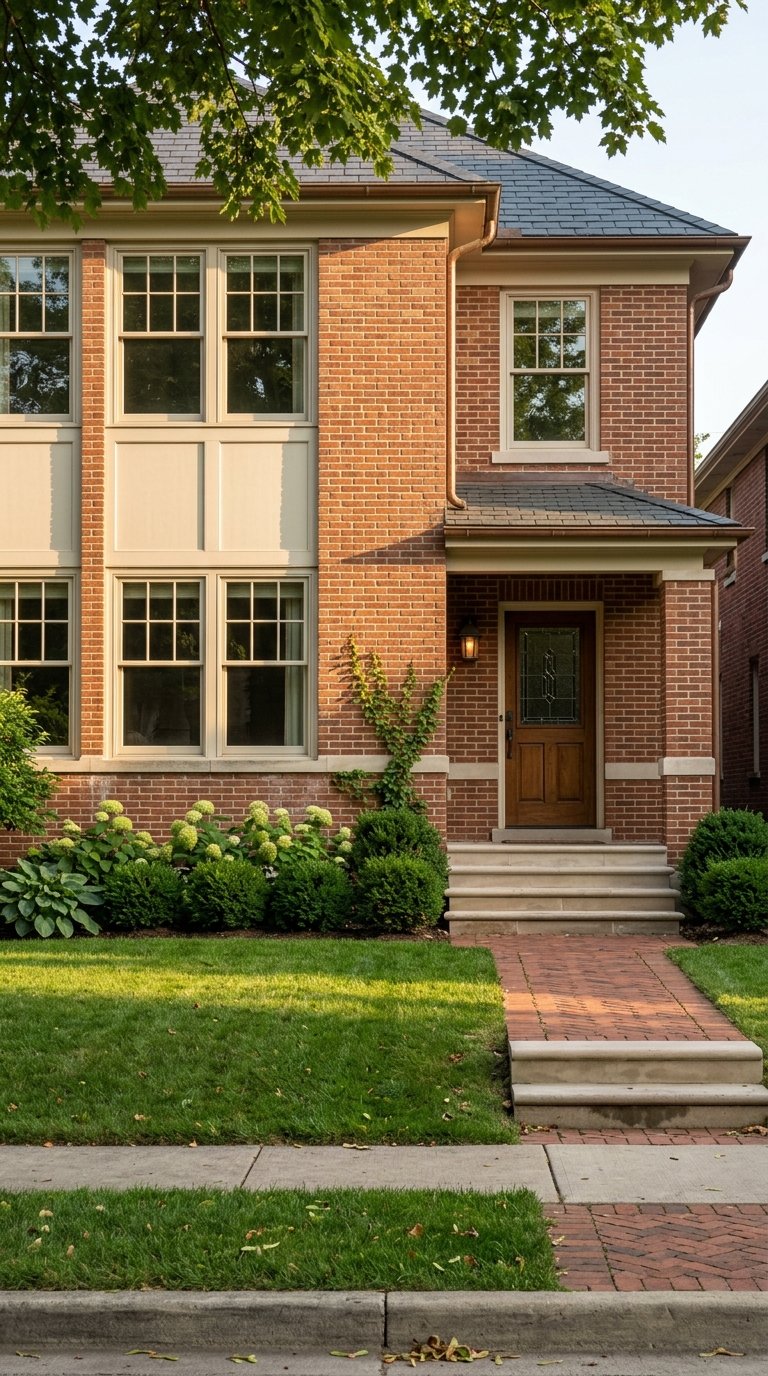
For you, that often translates into a real yard, more privacy, and more flexibility for outdoor living, storage, or a garage. It is a different ownership experience than a River North condo building.
The tradeoff: more upkeep
More land and more house usually bring more responsibility. When you move from condo living to a single-family property, exterior maintenance becomes a much larger part of the picture.
That can include landscaping, snow removal, outdoor repairs, and general upkeep around the property. If you love the idea of more space, make sure you are also ready for the time and cost that can come with it.
Lifestyle changes go beyond square footage
The North Shore is not just about bigger homes. It is also about a different rhythm of daily life.
Wilmette’s own historic preservation materials describe the village character through features like single-family residences, tree-lined streets, brick-paved streets, and proximity to Lake Michigan. That context helps explain why so many buyers are drawn to the area for more than square footage alone.
If you are used to River North convenience, this shift may feel refreshing, but it also requires an adjustment. Your favorite coffee shop may not be downstairs anymore, and your day may involve more driving, more planning, and a different sense of pace.
Commute planning matters more than you think
If you still need regular access to downtown Chicago, commute planning should be part of your home search from day one. The North Shore is a true commuter market, but not every commute feels the same in practice.
Metra’s UP-N line serves Wilmette, Kenilworth, Winnetka, and Glencoe, with Ogilvie Transportation Center as the Chicago terminus. The station summary in the research report places Wilmette at milepost 14.4, Kenilworth at 15.2, Winnetka at 16.6, and Glencoe at 19.2 from Ogilvie.
That gives you a useful baseline, but your real commute is more than the train itself. You also need to consider station access, parking, walkability to the station, and whether your schedule lines up with the trains you would actually take.
Driving is part of the equation too
For many households, train access is only one part of the picture. Daily life can also include driving for errands, appointments, activities, or occasional downtown trips.
The Chicago North Shore Convention & Visitors Bureau notes that these communities are accessible from the Edens Expressway, and that Evanston and Winnetka can also be reached from downtown by Lake Shore Drive and Sheridan Road. If you are used to River North's density and short urban trips, route choice and traffic patterns may affect your decision more than expected.
Timing your sale and purchase is critical
One of the most important parts of this move has nothing to do with architecture or commute times. It is the coordination between selling your River North home and buying on the North Shore.
This is where many moves either feel smooth or become stressful. If you treat these as two separate deals, timing gaps can create unnecessary pressure.
Why a shared calendar matters
According to the Consumer Financial Protection Bureau’s home closing guidance, the closing process starts after your offer is accepted and your lender is selected. It can include underwriting document requests, the home inspection process, homeowner's and title insurance, and final signing.
The CFPB also notes that lenders must provide the Closing Disclosure three business days before closing, and that mortgage rate locks are commonly 30, 45, or 60 days. Those windows matter when you are trying to align the sale of one property with the purchase of another.
A practical way to approach the move
In many cases, the cleanest strategy is to prepare your River North condo first, then time the listing around your North Shore search window. That gives you a more coordinated path and helps reduce surprises when inspections, underwriting, or closing dates shift.
A well-managed plan can help you make better decisions about pricing, repairs, staging, financing, and negotiation on both sides of the move. This is especially important when you are making a major jump in property type and price point.
Questions to ask before you move
Before you commit to the move, it helps to step back and clarify your priorities. A few simple questions can sharpen your search:
- How much more monthly housing cost feels comfortable?
- How much yard and maintenance do you actually want?
- How often will you commute downtown?
- Do you want to prioritize train access, lot size, or home size?
- Are you hoping to move quickly, or can you stage the transition carefully?
- Will the proceeds from your River North sale shape your purchase timing?
When you answer those questions honestly, your options usually become clearer.
How a guided process helps
A move from River North to the North Shore often touches every part of the real estate process at once. You may need condo preparation, pricing strategy, repairs, staging, suburban market guidance, offer strategy, and a closing timeline that works across both transactions.
That is why a detail-oriented, high-touch approach can make such a difference. When one advisor helps you manage the moving parts, the process tends to feel more organized, more strategic, and less reactive.
If you are considering a move from River North to the North Shore, Stacy Burgoon can help you evaluate timing, pricing, and next-step strategy with a personalized, concierge-level approach.
FAQs
What is the typical price difference between River North and the North Shore?
- Based on the research provided, River North recent median sale price snapshots were in the mid-$300,000s to low-$400,000s, while North Shore markets like Wilmette, Winnetka, Glencoe, and Kenilworth were much higher, often in the high six figures to multi-million-dollar range.
What kind of home can you expect when moving from River North to the North Shore?
- In many cases, you are moving from a condo or attached home into a single-family property with a larger lot, more separation from neighbors, and more outdoor space.
What should buyers know about commuting from the North Shore to downtown Chicago?
- The UP-N Metra line serves Wilmette, Kenilworth, Winnetka, and Glencoe to Ogilvie, but your real commute will also depend on station access, parking, walking time, and your preferred train schedule.
What are the main tradeoffs of leaving a River North condo for a North Shore home?
- The move often gives you more space and land, but it can also mean a higher purchase price, more property maintenance, and more planning around driving and commuting.
What is the best way to coordinate a River North sale with a North Shore purchase?
- A coordinated timeline is usually best, with your condo preparation, listing timing, financing steps, inspections, and closing windows managed as one connected plan rather than two separate transactions.