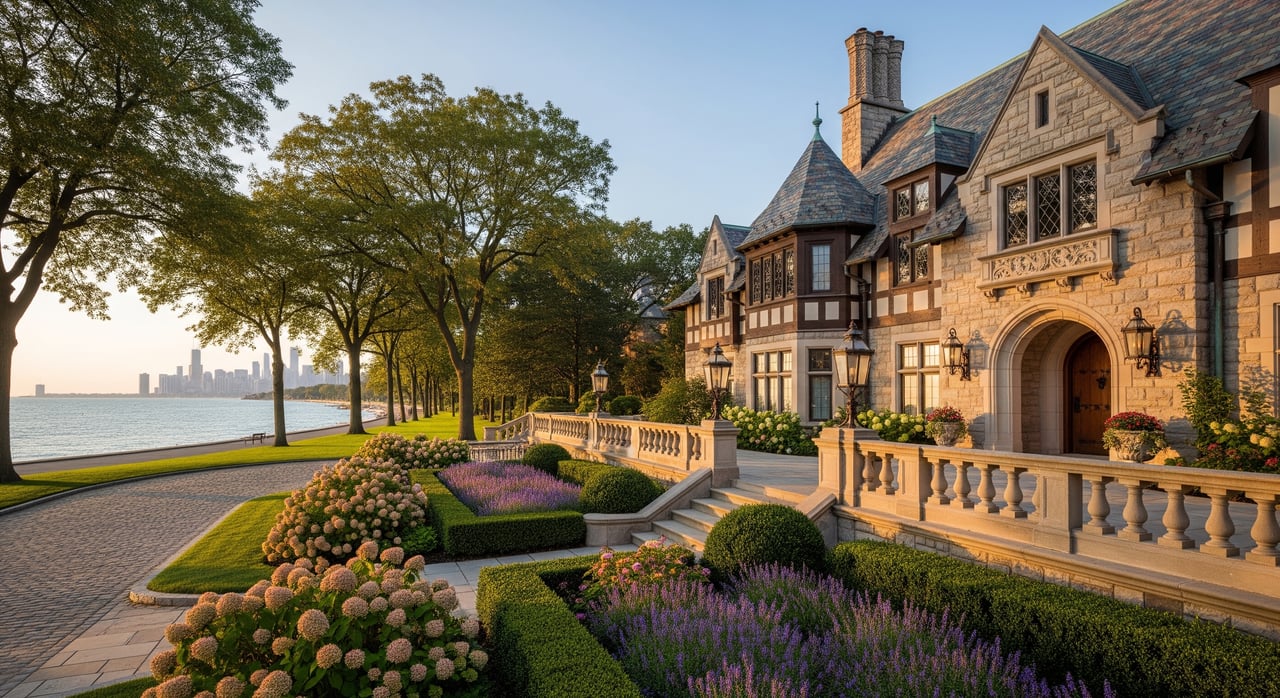
Thinking about a move to Winnetka? Maybe you want more space, easy access to Lake Michigan, and a calm village feel without losing a connection to Chicago. You’ll find all of that here, along with a strong school community and an active park district. In this guide, you’ll learn how daily life flows, what the commute looks like, and what to expect from the housing market. Let’s dive in.
Winnetka at a glance
Winnetka is a compact North Shore village of about 12,000 residents with tree‑lined streets, large lots, and a relaxed pace. The housing stock skews toward single‑family homes with limited multifamily options. You’ll see a mix of early 20th‑century architecture and thoughtfully updated homes, which gives many blocks a park‑like feel. The village is consistently described as a low‑crime, residential community with engaged civic life.
Parks, beaches, and the outdoors
Lakefront access
Life here often starts or ends at the lake. Public beaches and shoreline green spaces offer swimming in season, long walks, and scenic sunrises. Staffed beaches have seasonal lifeguards, and the lakefront connects to other North Shore stretches for longer rides or runs. Summer weekends often revolve around beach time with friends and neighbors.
Parks and programming
The Winnetka Park District anchors much of the local routine. You’ll find neighborhood parks, playgrounds, athletic fields, pools, and year‑round programs for all ages. Organized youth sports are popular, including soccer, baseball, and lacrosse, along with swim teams and adult leagues. Many families plan afternoons around practices, games, and community events.
Seasonal rhythm
Summer highlights include beach days, camps, and outdoor concerts. Spring and fall are busy with youth sports, trail walks, and festivals in the village centers. Winter shifts the action indoors with fitness classes, rec programs, and holiday events that bring the community together. No matter the season, parks and programming shape the weekly calendar.
Shopping, dining, and services
Winnetka’s commercial areas feel intimate and walkable, especially near the Elm Street and Green Bay Road corridor and in Hubbard Woods. You’ll find local boutiques, cafes, bakeries, salons, and everyday services like dry cleaners and banks. Upscale dining and neighborhood spots are part of the mix, while residents usually head to nearby suburbs for big‑box stores or major shopping centers. Primary care and outpatient medical services are close by, and larger hospitals and specialty care are available in nearby North Shore communities.
Schools and family life
Winnetka’s public school system is a central draw for many families. Elementary and middle grades are served by local districts, and most students attend New Trier High School, which is widely regarded as one of the top public high schools in the region. Parent engagement is strong, and students have access to broad academic, arts, and athletic options. Several private and parochial schools also serve the area for families seeking alternatives.
Getting around
Metra to Chicago
If you commute downtown, the Metra Union Pacific North Line is a primary option. Depending on the train and destination station, travel time typically ranges from about 30 to 45 minutes. Station‑area neighborhoods benefit from both walkability and quick station access, which can streamline daily routines. Many residents blend rail commuting with remote‑work flexibility.
Driving and airports
Regional access is straightforward via Sheridan Road, Green Bay Road, and the nearby Edens Expressway. Drive times to downtown Chicago vary widely with traffic, often 30 to 60 minutes or more during peak periods. O’Hare and Midway are accessible by car, with travel time shaped by time of day and conditions.
Walkability and biking
Village centers and station areas are pedestrian‑friendly for errands, coffee runs, and school pick‑ups. Many daily trips still happen by car, especially for regional shopping or youth activities. Cyclists use local streets and lakefront paths for recreation, though bike infrastructure can be limited on some arterial roads.
Housing, costs, and taxes
What you can find
The market is dominated by single‑family homes on generous lots, from historic properties to modern rebuilds. Condominium and rental options exist but are limited compared with denser suburbs. Renovations and teardowns are part of the landscape in the luxury segment.
Price levels and competition
Winnetka is a high‑cost market in the Chicago region, with median sale prices that commonly exceed $1 million in recent years. Inventory often runs tight, and desirable homes can move quickly with multiple offers. Well‑prepared listings tend to attract strong attention, while buyers benefit from swift decisions and clean terms.
Ownership costs
Property taxes in Cook County can be substantial, and larger lots or older homes may come with higher maintenance budgets. It is wise to plan for recurring costs like insurance, utilities, landscaping, and repairs. If you are considering exterior changes to a historic‑style home, you may encounter design review requirements depending on location and scope.
Daily tempo and community life
Weekdays often start with school drop‑offs and Metra runs, then shift to quieter streets during the workday. Evenings bring after‑school sports, lessons, and meet‑ups in the village centers. Weekends emphasize the outdoors, casual dining, and social gatherings at the beach, parks, or local fields. Cultural life is community‑scale, with school performances, small concerts, lectures, and fundraisers that keep calendars full.
Is Winnetka right for you?
Winnetka is a great fit if you want:
- Strong public school options with robust extracurriculars.
- Lakefront access and a park‑centered lifestyle.
- A residential village feel with easy rail access to Chicago.
- Primarily single‑family homes on larger lots.
You might look elsewhere if you want:
- Lower housing costs and property taxes.
- High transit density with multiple rail lines.
- A wide range of rental or multifamily choices.
- A more urban nightlife scene.
Plan your move with a local guide
If Winnetka fits your goals, the next step is clarity on timing, budget, and neighborhood fit. A tailored search and well‑coordinated preparation can give you an edge in a competitive market. For sellers, professional staging, repair coordination, and strategic pricing help maximize results. To map your plan with one accountable advisor, connect with Stacy Burgoon to schedule a private consultation.
FAQs
What is the commute from Winnetka to downtown Chicago?
- By Metra on the Union Pacific North Line, typical trips are about 30 to 45 minutes depending on the train; by car, it often ranges from 30 to 60 minutes or more with traffic.
How expensive is housing in Winnetka?
- It is among the higher‑cost suburbs in the region, with median sale prices commonly above $1 million in recent years and competitive conditions for desirable homes.
Is Winnetka walkable for daily errands?
- Station‑area business districts like Elm Street and Hubbard Woods are walkable, though many errands and regional trips still happen by car.
What schools serve Winnetka students?
- Local districts serve elementary and middle grades, and most students attend New Trier High School, which is widely regarded as a leading public high school in the region.
Are there public beaches and parks in Winnetka?
- Yes, the village has Lake Michigan beaches and extensive park district facilities and programs, with seasonal lifeguards at staffed beaches and year‑round recreation options.